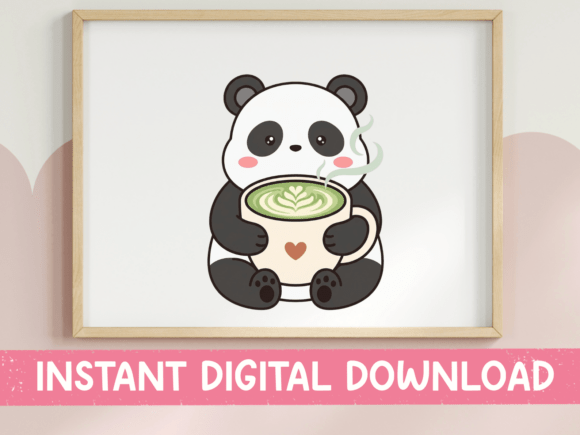
Cute Panda Holding Matcha Latte
As an embroidery designer and product reviewer, I often evaluate designs based on their visual appeal, practicality, and how they translate to real-world projects. The Cute Panda Holding Matcha Latte is a design that immediately catches the eye with its whimsical charm and cozy vibe. It’s perfect for those who love matcha, pandas, or just a touch of playful design in their work.
First Impressions: A Whimsical Design That Speaks Volumes
The Cute Panda Holding Matcha Latte has a soft, approachable aesthetic. The panda is round and friendly, with rosy cheeks that add a warm, inviting feel. The cup is simple but well-proportioned, and the overall layout is balanced, making it easy to place on various items without feeling cluttered.
This design works best on larger surfaces where the details can shine. Its theme is ideal for casual, lifestyle-oriented products—think t-shirts, tote bags, or even baby onesies. The color palette is subtle, with the panda’s black and white fur contrasting nicely against the cream mug. It feels like a design that could fit into a variety of branding styles, from boutique shops to craft fairs.
Real-World Embroidery Performance
When I first saw the Cute Panda Holding Matcha Latte, I imagined it on a custom embroidered tote bag for a local café or a personalized sweatshirt for a matcha lover. The design’s simplicity makes it versatile, but it also requires attention to detail during the embroidery process.
For custom apparel, this design would look great on a cotton t-shirt or a heavy-duty sweatshirt. However, the stitch density might need adjustment depending on the fabric. On thin or stretchy materials, the design could appear slightly distorted if not stabilized properly. Using a good stabilizer is essential, especially for embroidery files that include satin stitch elements like the panda’s face or the mug’s handle.
On baby embroidery projects, the design could be a hit—its cute, non-threatening look is perfect for nursery decor or baby onesies. But keep in mind that the design includes small details that might not hold up well on textured fabrics. If you're planning to use it on a pillow cover or a kitchen towel, make sure the fabric is smooth and suitable for detailed stitching.
Where to Use It Carefully
While the Cute Panda Holding Matcha Latte is charming, it’s not a one-size-fits-all design. For small hoop sizes, the design may require splitting into multiple sections, which can complicate the stitching process. Similarly, on curved surfaces like caps or hats, the design might not sit as smoothly as it does on flat areas.
If you’re working with dark fabric, the contrast between the panda’s black fur and the background could be less effective. Consider using a lighter thread color or adjusting the design for better visibility. Also, on layered garments or thin fabric, the design might lose some of its definition if not properly stitched.
For commercial embroidery or digital embroidery file sales, it’s important to check licensing terms before offering the design for resale. Make sure the machine embroidery design is compatible with your equipment and that the stitch density is appropriate for your project size.
Design Impact on Customer Perception
The Cute Panda Holding Matcha Latte has a strong visual appeal that can enhance the value of any handmade product or personalized gift. Its friendly look makes it highly giftable, especially for holidays, birthdays, or as a token of appreciation. Customers are likely to respond positively to the design’s charm, which can boost buyer engagement and brand consistency.
From a craft business perspective, this design could be a solid addition to an Etsy shop or a small shop product lineup. It fits well with printable mockups and digital product previews, making it easy to showcase in online listings. However, it’s important to ensure that the design looks sharp in both light and dark fabric backgrounds before finalizing any product.
Practical Designer Notes
Before using the Cute Panda Holding Matcha Latte in a project, I recommend testing it on scrap fabric. This helps you see how the thread colors interact with different materials and how the fill stitch and satin stitch areas hold up. Pay close attention to the stitch density—too much could cause puckering, while too little might make the design look sparse.
Also, consider how the design will look when used as an applique design or combined with other elements. If you’re planning to offer it as a digital embroidery file, make sure the file format is compatible with your software and that the hoop size is manageable for your machine.
Finally, always review the design in black and white mockups to ensure it retains its clarity and personality. This step is crucial for maintaining a professional appearance in custom apparel or embroidered patch projects.