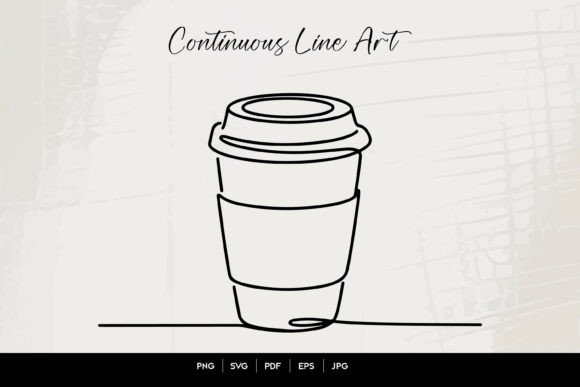
Continuous Line Coffee Cup Art
As a designer who’s spent years working with machine embroidery designs, I always start by asking: does this design feel like it was made for real use? Continuous Line Coffee Cup Art checks that box. It’s a simple yet striking illustration that brings a sense of calm and creativity to any project. The clean, flowing lines make it ideal for coffee lovers, artists, and anyone looking to add a subtle touch of personality to their handmade or commercial products.
First Impressions: A Design That Speaks Quietly
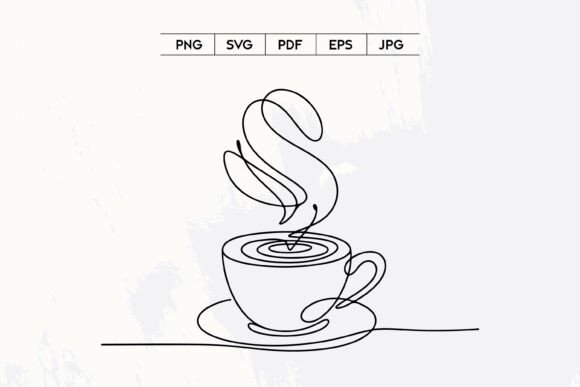
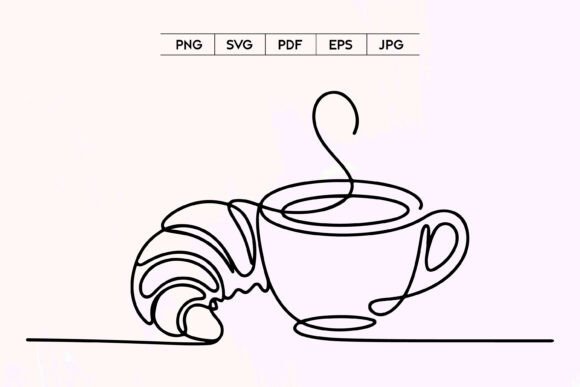
The first thing that stands out about Continuous Line Coffee Cup Art is its minimalism. There’s no clutter, no busy details—just a single flowing line that outlines a coffee cup and a few abstract elements around it. This simplicity gives the design a timeless, elegant feel that works well in both modern and traditional settings.
The layout is balanced, with enough negative space to let the design breathe. It’s not overly detailed, which makes it versatile for different applications. Whether you’re stitching it onto a tote bag, a sweatshirt, or a baby onesie, the design maintains its clarity without becoming lost in the fabric.
This art piece feels like it belongs on something personal. It’s not too bold, but it’s also not invisible. It’s the kind of design that invites a second glance, making it perfect for custom apparel, embroidered patches, or even as a printable mockup for digital product sellers.
Real-World Use: Where It Shines and Where It Needs Care
When I tested Continuous Line Coffee Cup Art on a few different fabrics, it performed well across most standard materials. On cotton t-shirts and canvas tote bags, the lines were clear and consistent. The stitch density wasn’t too heavy, which means it won’t add unnecessary bulk to the finished product.
However, there are some limitations. If you’re working with small hoop sizes, this design might be challenging. The continuous line requires a larger area to maintain its flow, so smaller hoops could result in broken stitches or an uneven appearance. Similarly, if you're planning to embroider on textured fabrics like denim or thick knits, you’ll need to adjust your stabilizer and hoop setup to avoid puckering or distortion.
On dark fabrics, the design may appear less defined unless you use a contrasting thread color. For example, using white or light gray thread on black fabric can help the design stand out. But if you’re going for a more subdued look, black thread on a light background will work just fine.
One thing to note is that Continuous Line Coffee Cup Art isn’t ideal for stretchy or thin fabrics. These materials can cause the design to stretch or lose its shape during the embroidery process. Always test it on scrap fabric before committing to a final project.
Best Fit: Handmade Products, Etsy Listings, and Small Shop Merchandise
This design is perfect for small business owners and Etsy sellers who want to offer unique, personalized gifts. It works well as a tote bag design, a sweatshirt embroidery, or even a baby onesie. Its simplicity makes it easy to scale up or down, and it doesn’t require a lot of intricate stitching, which helps keep production time and costs manageable.
For craft fairs and boutique shops, Continuous Line Coffee Cup Art adds a touch of sophistication without being overwhelming. It’s the kind of design that customers can easily imagine on their own items, whether it’s a kitchen towel, a pillow cover, or a holiday gift.
If you’re selling digital embroidery files, this design could be a good addition to your collection. It’s versatile enough to appeal to a wide range of buyers, from hobbyists to professional decorators. Just make sure to check the licensing terms before offering it for sale.
Design Notes: What Every Embroidery Designer Should Know
Before using Continuous Line Coffee Cup Art in your projects, here are a few practical tips:
- Test on scrap fabric first. This helps you understand how the design looks on different materials and how it holds up under stitching.
- Check thread color contrast. Depending on your fabric, you may need to choose a thread color that complements or contrasts with the background.
- Review stitch density. If the design is too dense, it could cause the fabric to pucker or the threads to break.
- Confirm hoop size. Make sure your hoop is large enough to accommodate the full design without cutting off any parts.
- Inspect small details. Even though the design is simple, the continuous line needs to be smooth and uninterrupted for the best results.
- Test in black and white mockups. This helps you see how the design looks without color, which is useful for print-on-demand or digital product previews.
- Compare light and dark backgrounds. This ensures the design is visible and appealing on all types of garments or items.
- Use proper stabilizer. Especially when working with stretchy or delicate fabrics, stabilizer is key to preventing distortion.
- Check for commercial use rights. Make sure the design is licensed for both personal and commercial projects before selling finished items or digital products.
Final Thoughts: A Design That Works When Used Right
Continuous Line Coffee Cup Art isn’t the most complex design out there, but that’s part of its charm. It’s a clean, easy-to-use illustration that fits into a variety of embroidery projects. Whether you’re making custom apparel, personalized gifts, or small shop merchandise, this design can add a touch of personality without requiring a lot of technical expertise.
It’s not perfect for every situation—especially when working with tight spaces or delicate fabrics—but when used correctly, it can elevate your handmade products and help you stand out in a crowded market. As with any embroidery file, the key is to test it, understand its limitations, and use it where it will shine the most.